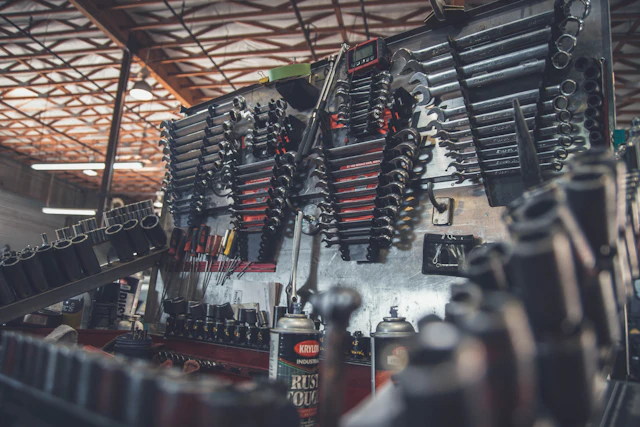
China is the world's largest producer and exporter of automotive parts, accounting for roughly 30% of global auto component production.
OEM vs Aftermarket vs Counterfeit
*OEM* — Parts manufactured by the same factories that supply the original car makers. Identical quality.
*Aftermarket* — Parts made to meet or exceed OEM specifications. Legal and widely sold. Quality varies enormously.
*Counterfeit* — Parts that use OEM branding without authorization. Illegal and a genuine safety risk.
Key categories we source
- Shock absorbers and suspension components
- Brake pads, discs, and calipers
- Filters (oil, air, fuel, cabin)
- Lighting and body panels
- Engine components
Certification to require
- IATF 16949 (automotive quality management)
- ECE R90 for brake components
- SAE standards for relevant categories
Aurora Trading conducts in-person factory audits for all new auto parts suppliers, including production line inspections, material testing, and packaging verification.
Key Takeaways for Auto Parts Importers
- Always verify certification tier: IATF 16949 is the gold standard for OEM-grade parts. Many factories claim it without valid certification — request the actual certificate number and verify it against the IATF global registry.
- Shock absorbers need load testing: A shock absorber that looks correct may fail under real-world load. Require third-party dyno test reports for any suspension components you import.
- Brake components carry liability: ECE R90 certification is mandatory for aftermarket brake parts sold in Europe and the GCC. Non-certified brake pads expose importers to legal liability.
- OEM part numbers can be faked: Counterfeit packaging replicates OEM barcodes and part numbers. Physical inspection of cell material, weight, and finish is the only reliable counterfeit test.
- Guangdong vs Shandong suppliers: Guangdong manufacturers typically serve export markets with better quality control. Shandong suppliers tend toward domestic market volume. For export-grade parts, specify your destination market upfront.
How to Vet an Auto Parts Supplier
- Request their IATF 16949 certificate and verify it at iatfglobaloversight.org
- Ask for 3 recent third-party test reports (ISO 17025-accredited lab)
- Conduct or arrange a factory audit — focus on incoming material inspection and end-of-line testing
- Order sample parts and test them independently before bulk order
- Verify export history: ask for 2–3 client references in your region
Common Questions About Auto Parts Sourcing from China
Can I get genuine OEM parts from China? Yes — many OEM-grade parts leave Chinese factories through grey-market channels. However, buying through a verified sourcing agent with direct factory relationships ensures you receive the correct quality tier with proper documentation.
What's the minimum order for auto parts? For standard suspension and brake parts, MOQs typically start at 50–200 units per part number. For specialty engine components, MOQs can be as low as 10–20 units from the right supplier.
How long does shipping take? Sea freight from Guangzhou to Dubai takes 16–20 days. To East Africa: 22–28 days. To Europe: 25–35 days. Air freight reduces this to 5–7 days for urgent restocking.
Ready to Source from China?
Aurora Trading has been helping importers across the Middle East, Africa, and Europe source products from verified Chinese manufacturers since 2011. Our bilingual team in Guangzhou handles sourcing, quality inspection, and logistics end-to-end.
Get a free quote within 24 hours — contact us today or send us a message.